
A motel that became part of America's history.
The Lorraine's history is rooted in the experience of Black travellers in the segregated South, the cultural life of Memphis and the struggle for civil rights.
A place of welcome in a segregated era.
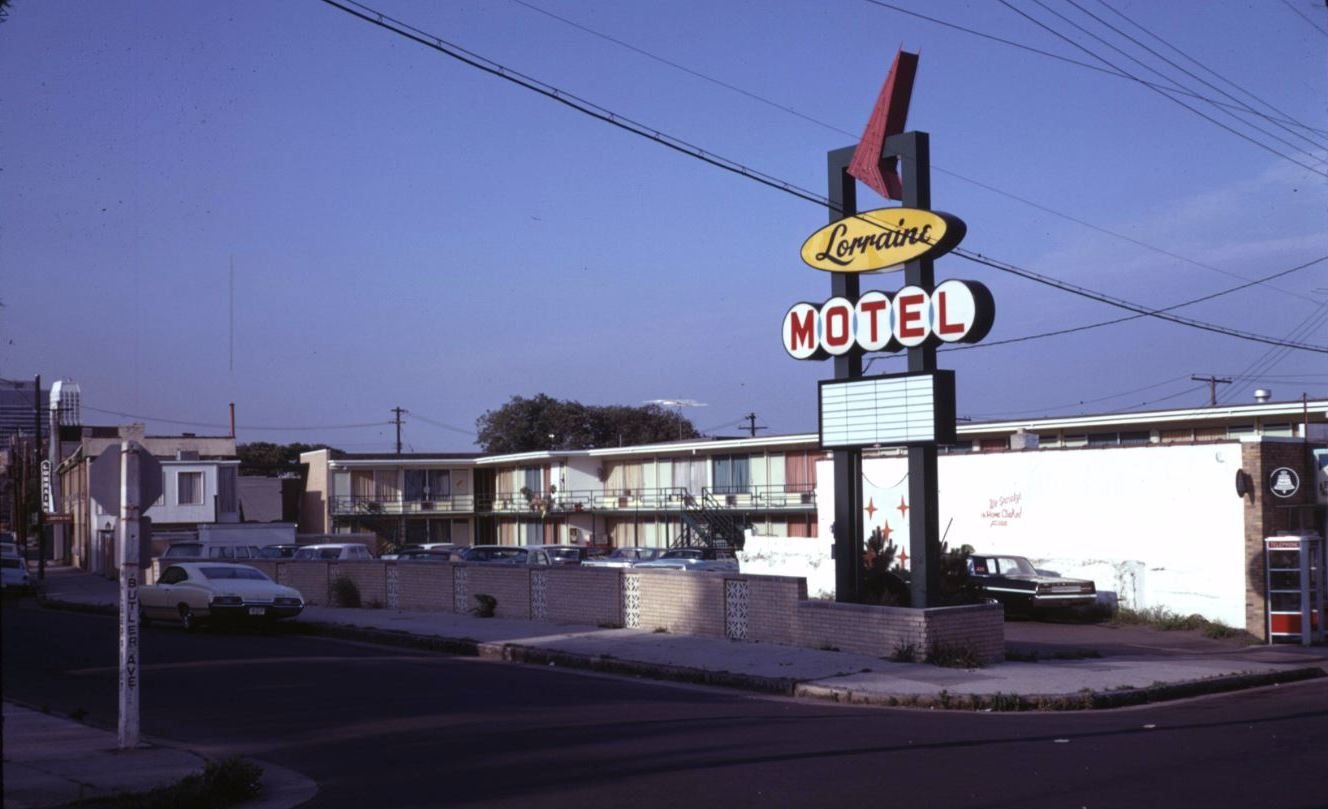
The property began as the Windsor Hotel around 1925. In 1945, Walter Bailey purchased the business, renamed it the Lorraine Hotel and later expanded it into a motel. At a time when segregation restricted where Black Americans could stay, the Lorraine became one of the places where Black travellers could find accommodation.
Musicians and entertainers associated with Memphis and nearby Beale Street were among its visitors. The National Civil Rights Museum notes that Ray Charles, Aretha Franklin, Ethel Waters, Otis Redding and other performers stayed at the Lorraine.
The Windsor Hotel
The property begins as the Windsor Hotel.
Walter Bailey takes ownership
Bailey renames the property the Lorraine Hotel, a name connected to his wife Loree and the song “Sweet Lorraine.”
A gathering place in Memphis
The property expands into a motel and welcomes Black travellers, musicians and other visitors during the era of segregation.
Dr. Martin Luther King Jr. stays at the Lorraine
King comes to Memphis in support of striking sanitation workers and stays in Room 306 with colleagues.
The assassination of Dr. King
Dr. King is shot on the balcony outside Room 306. The motel becomes a site of national mourning and remembrance.
The National Civil Rights Museum opens
The former motel becomes the home of the National Civil Rights Museum, preserving the site while telling a wider history of the movement.
The Lorraine's story is larger than a single moment.
Its history includes the people who stayed here, the family who ran it, the movement that brought Dr. King to Memphis, and the generations who continue to visit.
Continue to Room 306